Digital Model Preparation for Printing
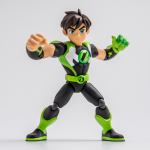
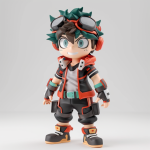
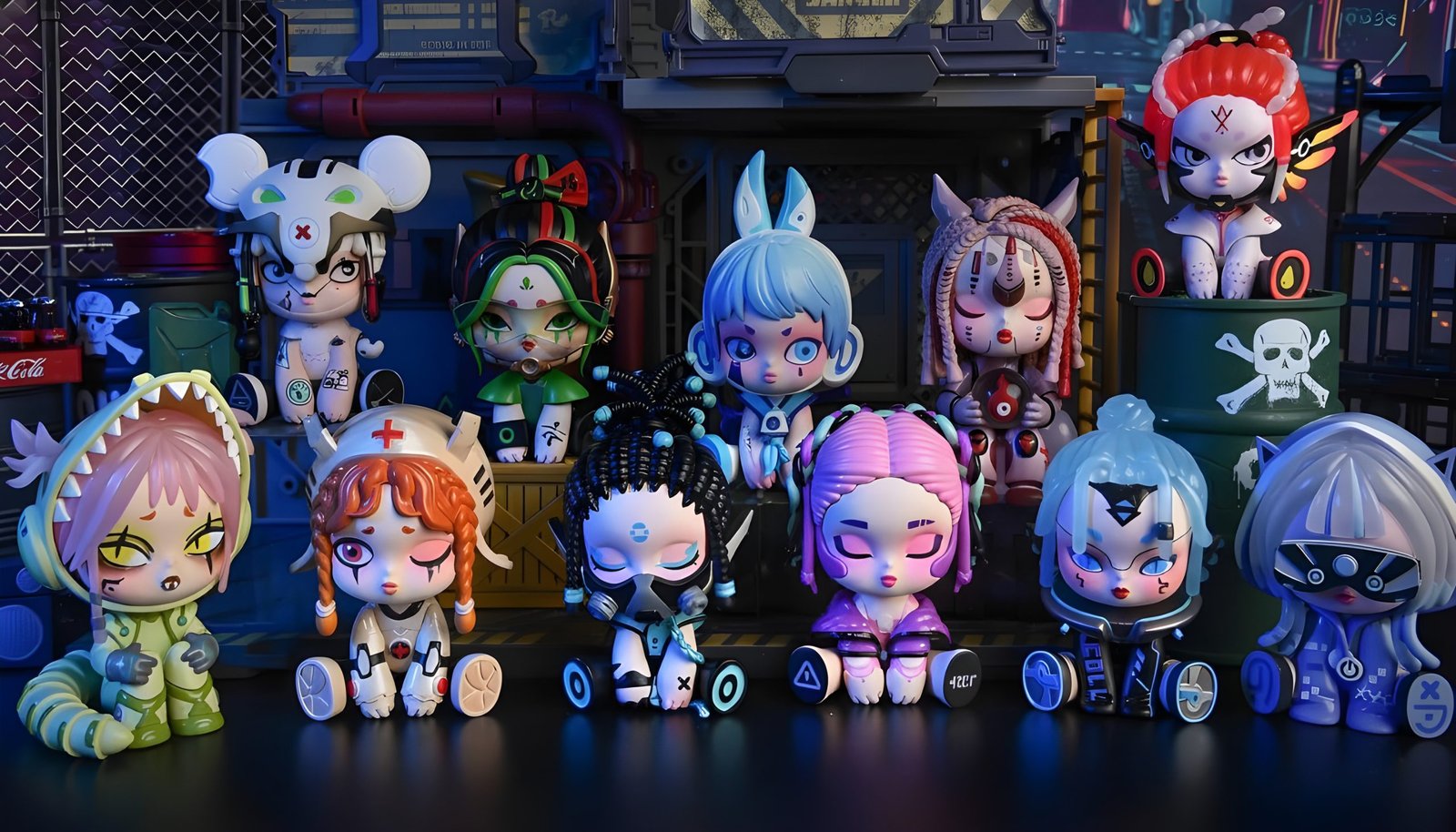
The 3D printing stage begins with preparing the finalized digital model for conversion into a physical prototype. Before printing, the model is carefully optimized and exported into suitable printable formats to ensure accurate reproduction of all design elements. Our team verifies important details, including proportions, surface quality, part segmentation, joint structures, and overall model integrity. Proper preparation helps prevent printing errors and ensures that every component is produced according to the approved design specifications. This process creates a smooth transition from digital sculpting to real-world prototyping, allowing the team to evaluate the product’s appearance, structure, and functionality before moving toward mass production.
Physical Prototype Creation
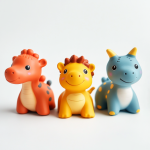
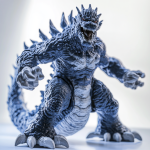
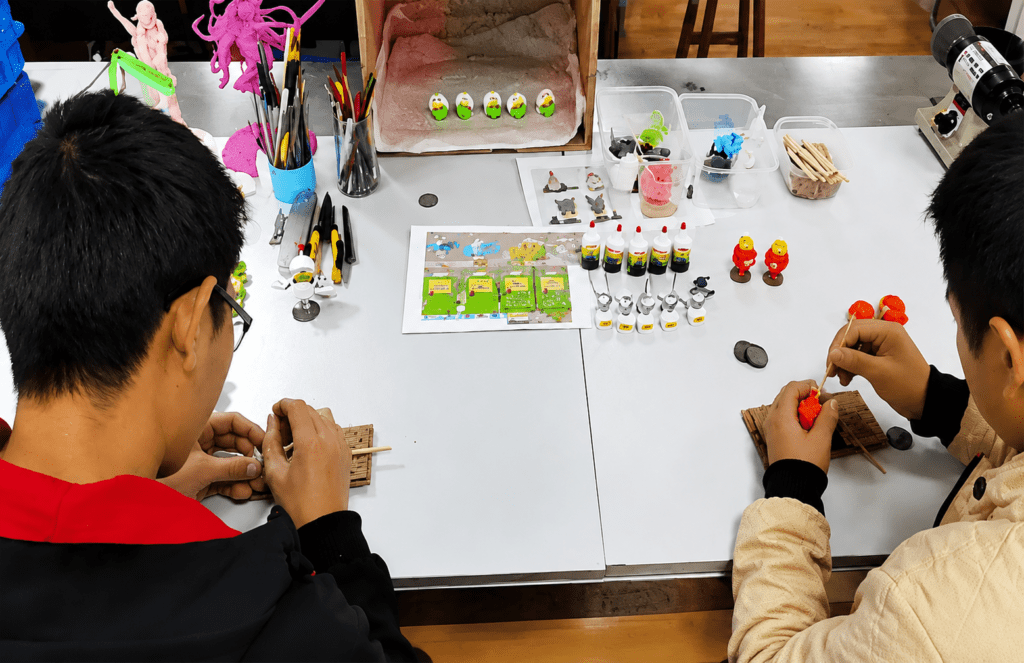
Once ready, the finalized 3D model is transformed into a physical prototype using high-precision 3D printing technology. This process accurately reproduces the digital design, including the character’s size, proportions, surface details, part structures, and assembly features. The printed prototype provides the first opportunity to evaluate the product in a real-world form rather than only through digital visualization. Our team carefully inspects the prototype to check overall appearance, structural balance, detailing quality, and production feasibility. This important step helps identify potential improvements and ensures that the final product design meets both artistic expectations and manufacturing requirements before proceeding to the next production stage.
After printing, the prototype undergoes a detailed inspection process to evaluate shape accuracy, dimensional consistency, and overall structural integrity. Our team carefully examines every component to ensure that individual parts fit together correctly and that the proportions, details, and design features match the approved concept. We also check surface quality, connection points, stability, and overall balance to identify any areas that may require refinement. This evaluation allows us to detect potential issues before moving into further production stages. By ensuring both visual accuracy and functional stability, we can achieve a high-quality prototype that reflects the original design vision and meets manufacturing standards.
Early Issue Detection & Refinement
The physical prototype provides an important opportunity to identify and resolve potential design or engineering challenges before entering the mold production stage. Our team carefully evaluates the prototype to detect any issues related to joint alignment, part connections, proportions, structural strength, or overall functionality. If improvements are required, adjustments are made to refine the design, enhance durability, and ensure better production performance. This refinement process helps prevent costly modifications during later manufacturing stages. Once the prototype successfully meets all design, quality, and technical requirements and receives final approval, the project moves forward to the next stage: mold fabrication for efficient mass production.